

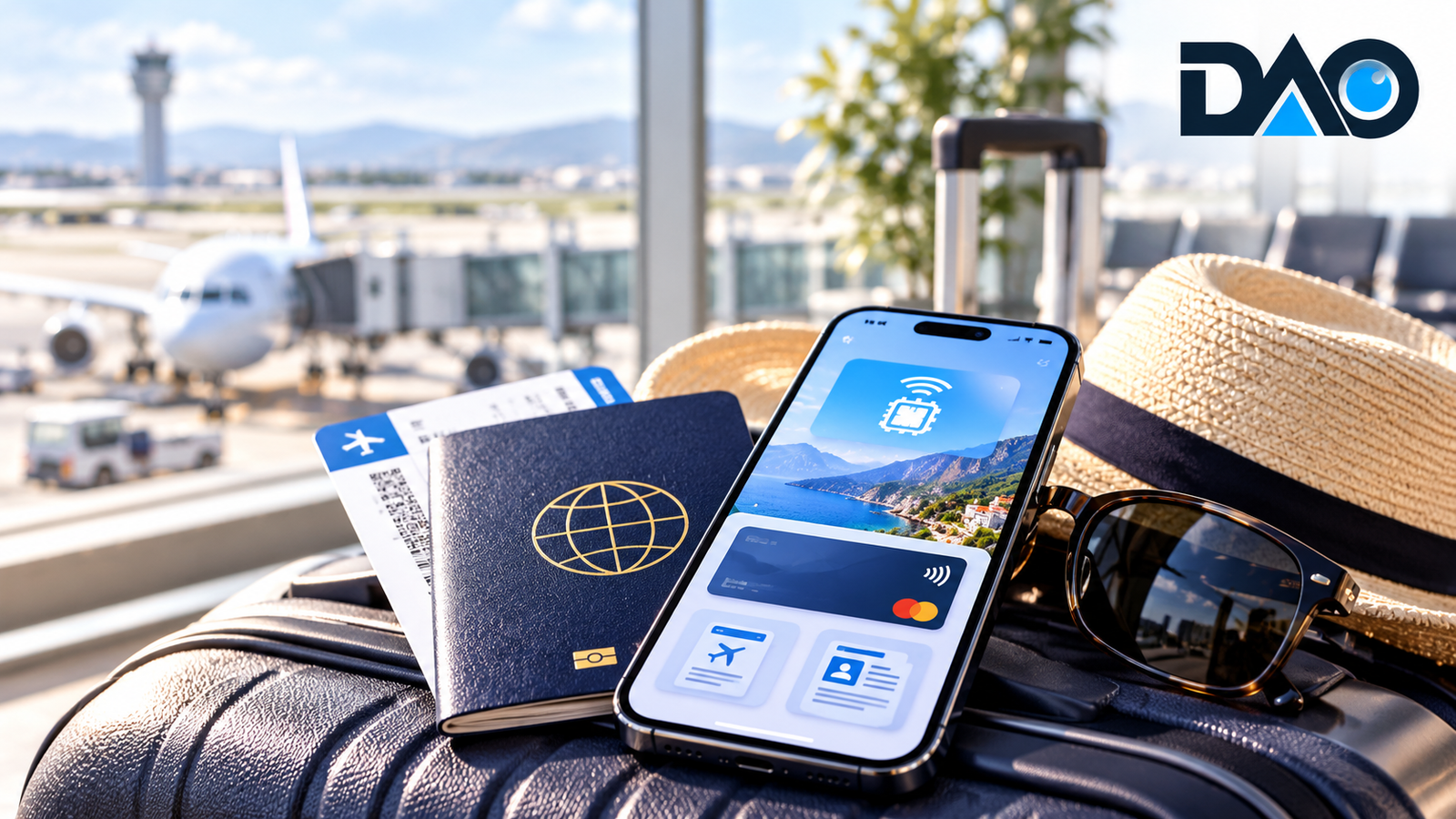
Remote work has created new opportunities for professionals who want to live internationally while continuing to work for employers or clients based elsewhere. Digital nomad visas are helping formalize this lifestyle, but applicants must understand the legal and financial implications.
The ability to work remotely has changed how professionals think about geography, employment and lifestyle.
A growing number of countries have introduced immigration pathways designed for remote workers, freelancers and location-independent entrepreneurs.
These arrangements are commonly called digital nomad visas.
However, eligibility conditions differ substantially between destinations.
A digital nomad visa should not be confused with a tourist visa, permanent residency or unrestricted permission to work in the local economy.
What Is a Digital Nomad Visa?
A digital nomad visa is a residence or immigration authorization that allows eligible foreign nationals to live in a country while performing qualifying remote work.
In many programs, applicants must earn income from employers or clients located outside the destination country.
Some programs allow dependents, while others have more restrictive family arrangements.
Income thresholds, insurance requirements and tax obligations vary.
Popular Digital Nomad Destinations
Portugal
Portugal attracts remote professionals through its infrastructure, European location and established international communities.
Its residence pathways for remote workers include financial and documentation requirements.
Applicants should distinguish between temporary stay arrangements and longer-term residence options.
Spain
Spain offers a framework for qualifying international remote workers.
Eligibility can depend on professional qualifications, employment arrangements and the proportion of work performed for Spanish clients.
Tax treatment requires separate examination.
Estonia
Estonia has developed a reputation for digital public services and technology entrepreneurship.
Its digital nomad visa framework provides an option for qualifying remote workers, subject to applicable income and immigration conditions.
Croatia
Croatia offers a temporary stay framework for qualifying digital nomads.
Its coastal cities and European location may appeal to remote professionals seeking a different living environment.
United Arab Emirates
The UAE has remote-work residence arrangements that may appeal to professionals seeking international connectivity and modern infrastructure.
Applicants must verify the specific emirate’s current requirements.
Thailand
Thailand offers the Destination Thailand Visa framework, which can be relevant to certain remote workers and other qualifying applicants.
Its permitted activities, financial requirements and duration conditions should be checked directly with official authorities.
Comparing Digital Nomad Destinations
| Destination | Principal attraction | Important consideration |
|---|---|---|
| Portugal | European access and lifestyle | Income and residence rules |
| Spain | Cities, infrastructure and culture | Tax and employment conditions |
| Estonia | Digital ecosystem | Eligibility and living costs |
| Croatia | Coastal lifestyle | Temporary stay restrictions |
| UAE | Business connectivity | Residence and insurance costs |
| Thailand | Lifestyle and regional access | Visa conditions and permitted activities |
This table is a destination overview, not confirmation of current eligibility or visa availability.
Common Eligibility Requirements
Although requirements vary, applicants may need to demonstrate:
- A valid passport.
- Qualifying remote employment or freelance activity.
- Minimum monthly or annual income.
- Health insurance.
- Proof of accommodation.
- Financial resources.
- Criminal record documentation.
- Employment contracts or client agreements.
Some countries also require translations, notarization or apostilled documents.
How Much Income Is Required?
There is no universal digital nomad visa income threshold.
Some destinations use fixed monthly income requirements.
Others require savings, annual earnings or a combination of financial evidence.
Thresholds may change and can differ for applicants with dependents.
Applicants should consult official government immigration portals rather than relying on outdated social media comparisons.
Digital Nomad Visa vs Tourist Visa
A tourist visa generally authorizes travel for tourism and other permitted visitor activities.
It should not automatically be interpreted as permission to work remotely.
Digital nomad programs are specifically designed to address certain remote-working circumstances.
However, even a digital nomad visa may restrict local employment or commercial activities.
Tax Implications for Remote Workers
Taxation is one of the most important considerations.
An individual may become tax-resident in a country based on days of presence, residential ties or other legal criteria.
Remote workers may also retain tax obligations in their home country.
Double-taxation agreements can influence the final position, but their application depends on individual circumstances.
Indian professionals should assess their residential status under Indian tax law and the rules of the destination country.
Professional tax advice may be necessary before relocation.
Healthcare and Insurance
International health insurance is frequently required.
Applicants should review emergency coverage, hospitalization, pre-existing-condition exclusions and geographical restrictions.
Travel insurance and comprehensive international health insurance are not always interchangeable.
How to Choose the Right Destination
The lowest-cost destination is not necessarily the best.
Professionals should evaluate internet reliability, time-zone compatibility, accommodation costs, safety, healthcare, legal requirements and access to banking services.
A remote worker serving American clients, for example, may face inconvenient working hours in some Asian destinations.
Similarly, families may prioritize schooling and healthcare over nightlife or tourism.
DAO Perspective: Remote Work Mobility Is an Economic Opportunity
Digital nomad programs can benefit host countries by attracting internationally earning professionals.
For remote workers, they create new lifestyle choices and opportunities for international exposure.
However, successful relocation requires careful planning around immigration compliance, taxes, insurance and financial stability.
Frequently Asked Questions
Can Indians apply for digital nomad visas?
Indian passport holders may qualify for certain programs, depending on each country’s eligibility rules.
Is a digital nomad visa a work permit?
It authorizes specific activities under the relevant program but may not permit unrestricted local employment.
Can digital nomads take their families?
Some programs allow eligible dependents, subject to additional conditions.
Do digital nomads pay taxes abroad?
They may have tax obligations depending on residency, income sources and local laws.
Conclusion
Digital nomad visas are expanding the possibilities for internationally mobile professionals.
The best destination is one that combines legal eligibility, affordable living, reliable infrastructure and a sustainable working arrangement.
Related reading: Explore global travel and lifestyle developments at NewslyTrend.
Official reference: European Union Immigration Portal.









Leave a Reply