
90% of Surveyed Used-Car Dealers in India Lack CRM Software: Spyne Report Highlights Automotive Digitalisation Gap
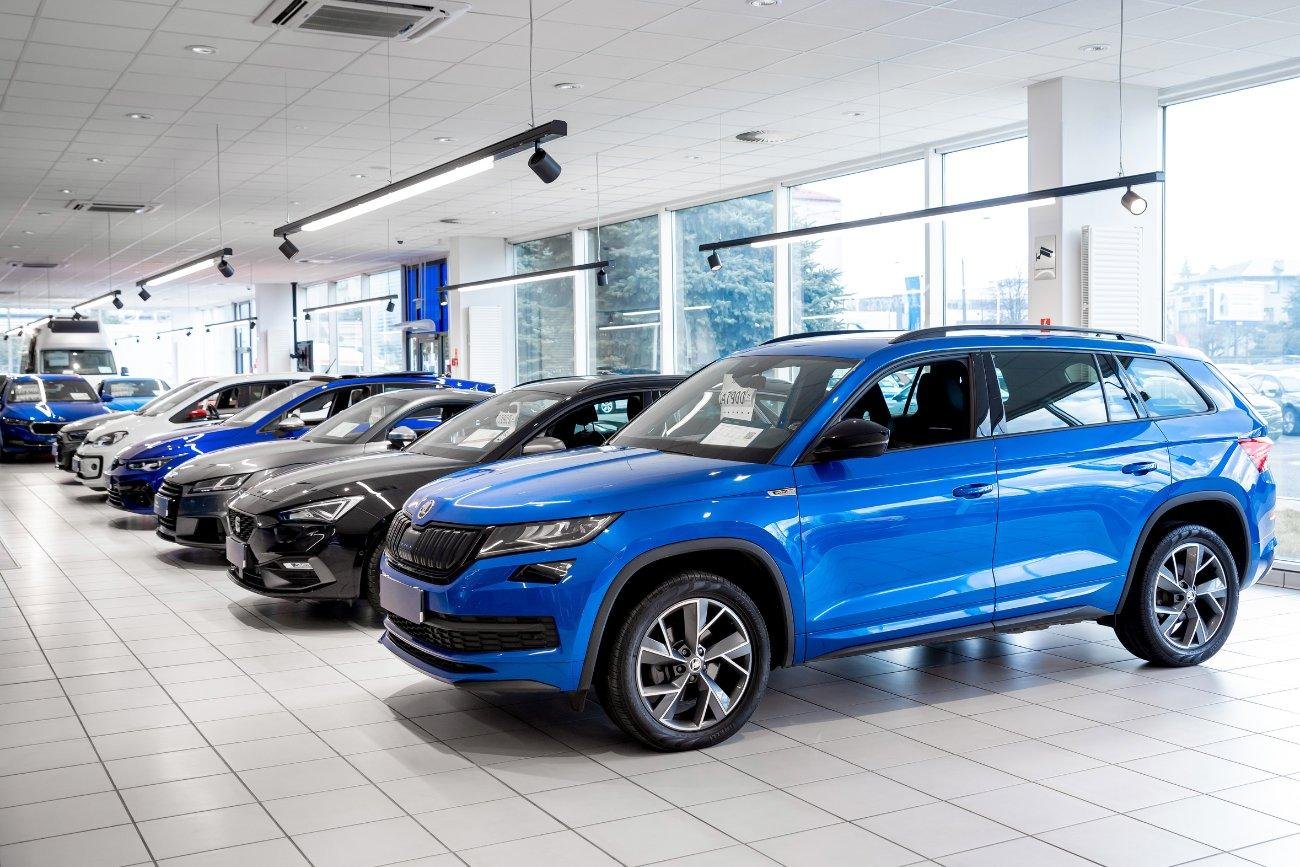
October 29, 2026: India’s used-car retail sector is experiencing growing digital engagement, but many independent dealerships continue to manage customer enquiries through conventional and fragmented processes, according to a new survey released by automotive technology company Spyne.
The company’s India Used-Car Dealer Survey found that 90% of the surveyed dealers did not use customer relationship management software to store leads and enquiries.
The survey covered 50 used-car dealers across 15 Indian cities, including Delhi NCR, Mumbai, Bengaluru, Hyderabad, Pune, Ahmedabad, Jaipur and Lucknow.
Although the sample size is limited and should not be treated as representative of the entire Indian used-car industry, the findings offer insight into technology adoption among participating independent dealers.
Digital Visibility Is Growing, but Management Systems Lag Behind
Online vehicle marketplaces, social media platforms and messaging applications have created new opportunities for used-car dealerships to reach customers.
However, attracting enquiries and managing them efficiently are different challenges.
According to Spyne, 62% of participating dealers used multiple channels to market their inventory.
Of the respondents, 48% managed enquiries from different channels manually and separately.
Another 28% reported difficulty managing enquiries and acknowledged that some customer requests were missed.
This suggests that dealerships may be adopting digital channels faster than they are modernising their internal operating systems.
For a business dependent on customer enquiries, missed follow-ups can translate into lost commercial opportunities.
How Indian Used-Car Dealers Manage Customer Data
Spyne’s survey provides a closer look at the tools used by participating dealerships.
The findings show that:
- 54% stored customer leads as contacts on their mobile phones.
- 40% maintained information through Excel or Google Sheets.
- 32% relied on physical diaries or registers.
- 28% kept enquiries within WhatsApp conversations.
These methods may be manageable for smaller dealerships with limited customer volumes.
However, they can become difficult to coordinate when a business operates across multiple marketing channels.
Scattered customer records may also affect follow-up schedules, sales forecasting and the ability to track enquiry conversion.
Buyer Trust Remains a Major Competitive Advantage
The survey indicates that personal reputation continues to play an important role in the used-car business.
According to Spyne, 76% of surveyed dealers identified trust and honest disclosure as important advantages when competing with organised used-car platforms.
Another 70% relied on personal relationships and local reputation.
These findings suggest that customers continue to value transparency, particularly when purchasing vehicles with individual ownership and maintenance histories.
Unlike new vehicles, used cars may vary considerably in mechanical condition, previous usage and repair requirements.
For buyers, confidence in the dealer and the accuracy of the vehicle description can therefore influence purchasing decisions.
Vehicle Condition Is the Biggest Concern
The survey found that 78% of participating dealers identified vehicle-condition concerns as a major source of buyer uncertainty.
More specifically, 40% cited hidden damage or unreported repairs, while 38% pointed to doubts about whether the condition shown in a listing accurately represented the vehicle.
This has implications for the rapidly expanding use of digital photography and AI-powered listing tools.
Attractive images can generate customer interest, but they must not conceal damage or misrepresent the condition of a vehicle.
A customer arriving at a dealership expects the actual vehicle to match the online listing.
Any substantial difference can undermine confidence.
AI Adoption: Opportunity and Caution
Spyne also examined attitudes towards AI-generated vehicle photography.
The survey found that 50% of respondents would consider using the technology, while 8% said they already used it.
Another 24% were sceptical about output quality, while 18% were unaware of the technology.
When selecting new AI tools, 48% prioritised accuracy and reliability, while 32% identified ease of use as the most important factor.
The findings suggest that AI companies serving automotive retailers must demonstrate practical benefits rather than relying only on technical claims.
What AI Can Potentially Deliver
Artificial intelligence could support several activities within the automotive retail industry.
Potential applications include vehicle image processing, inventory management, lead classification, automated enquiry responses and follow-up reminders.
For small dealerships, affordable tools that consolidate customer enquiries may provide immediate operational benefits.
However, AI-generated vehicle assessments and imagery should be verified to prevent inaccuracies affecting consumer decisions.
Technology should strengthen buyer trust rather than compromise it.
The Road Ahead for India’s Used-Car Market
The survey highlights an opportunity for automotive technology providers to develop practical solutions for independent dealerships.
Many of these businesses already participate in digital marketing, but their internal processes remain relatively manual.
The next phase of transformation may therefore involve integrating customer records, vehicle listings and follow-up activities into more organised systems.
For dealerships, successful digital adoption will depend on balancing efficiency with affordability and reliability.
For consumers, the ultimate benefit should be better information, faster responses and greater transparency during the vehicle-buying process.











Leave a Reply